- 18th September, 2026
- By Andrea Uren
Small Backyard Landscaping: 10 Ways to Make the Most of Your Space

A small backyard can come with some big design challenges. There is less room for large garden beds, oversized furniture and multiple outdoor zones, which means every planting choice, pathway and feature needs to earn its place. But a limited footprint doesn't mean you have to compromise on style or functionality.
With the right approach to backyard landscape design, even a narrow courtyard, compact garden or small residential backyard can become a space that feels comfortable and inviting. The key is to work with the dimensions of the site rather than trying to fit too much into it.
For example, a narrow backyard could combine a compact paved seating area with built-in bench seating, vertical planting along the boundary and a small garden bed. Instead of filling the space with separate features, each element has a clear purpose while still leaving enough room to move around comfortably.
In this blog, we'll look at 10 practical landscape ideas for small backyards, including ways to use vertical space, choose appropriately sized plants, create the illusion of depth and incorporate practical features without overcrowding the garden.
1. Measure Your Space Before Designing
Before you buy a single plant or paver, take the time to understand the space you actually have. Measure the width and length of the backyard, note existing structures and consider where doors, windows and access points are located. Think about how you use the area as well. Do you need room for a dining table? Somewhere for the kids to play? Space for entertaining or simply a quiet area to sit?
In a small backyard, a few centimetres can make a noticeable difference. A clear layout plan helps you understand where pathways, planting and seating can fit without making the garden feel cramped.
This is where professional backyard design can be useful. An experienced landscape designer can identify potential layout issues before construction begins and help make the most of the available footprint.
2. Think Vertically, Not Just Horizontally
When floor space is limited, the walls and fences around your backyard become valuable real estate. Vertical gardens, trellises and wall-mounted planters allow you to introduce greenery without taking up valuable ground space. Consider these things:
- ✓
Installing a trellis with climbing jasmine or star jasmine along a fence line
- ✓
Using tiered planters for herbs or succulents
- ✓
Adding hanging baskets near seating areas
- ✓
Using vertical planting to soften large boundary walls
Vertical planting can also draw the eye upwards, helping a compact backyard feel less enclosed while adding colour, texture and privacy.
3. Choose Multi-Functional Features
In a compact yard, every feature should ideally serve more than one purpose. Instead of adding separate elements for seating, storage and screening, look for ways to combine them. Some options include:
- ✓
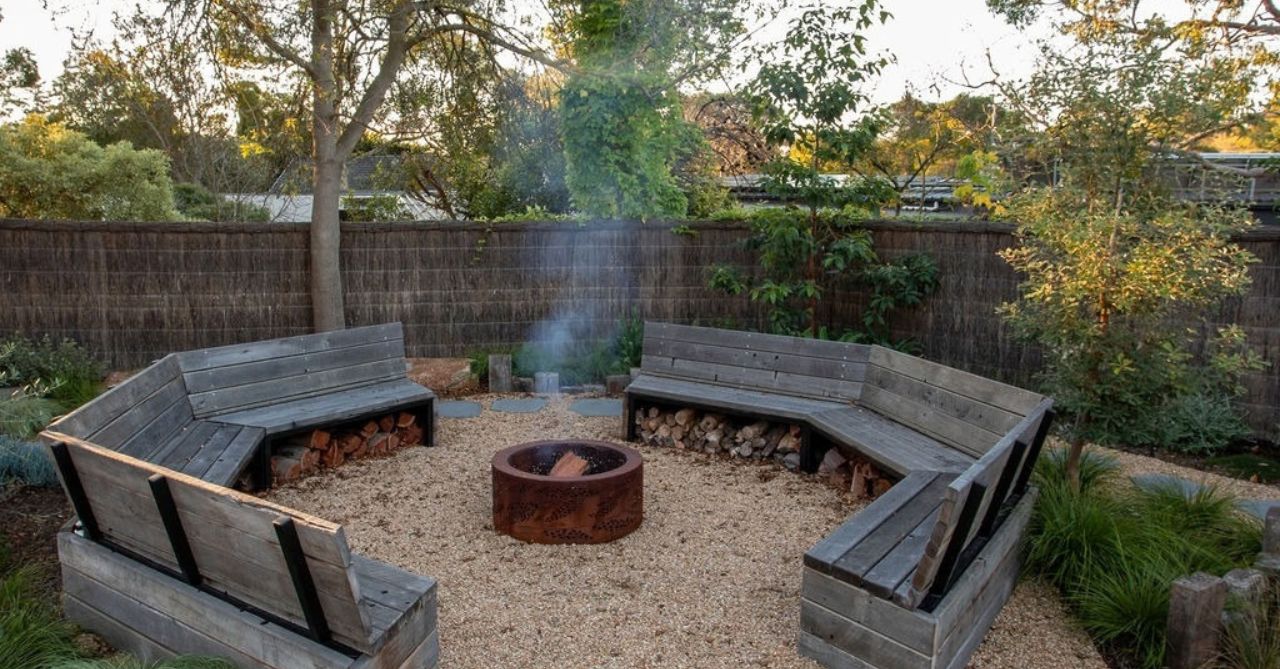
Built-in benches with storage underneath
- ✓
Retaining walls that double as seating
- ✓
Planter boxes that help divide different zones
- ✓
Narrow furniture that leaves clear walkways
- ✓
Integrated storage for gardening equipment
The goal isn't to squeeze as many features as possible into the backyard. It's about choosing features that make the space work harder without making it feel crowded.
4. Make Use of the Edges
One of the easiest ways to create more usable space is to keep the centre of the backyard relatively open and use the boundaries for practical features.
Garden beds, built-in seating, screening plants and vertical gardens can all be positioned along fences and walls. This leaves more room in the middle for movement, entertaining or simply enjoying the garden.
For narrow backyards in particular, this approach can create a clearer sense of space. Instead of dividing the garden into several small sections, the edges do much of the work while the centre remains open.
5. Choose Plants Based on Their Mature Size
A plant that looks small at the nursery can become a very different proposition once it reaches maturity. In a landscape ideas for small backyards choosing plants based on their expected height and spread is just as important as choosing them for appearance.
Compact shrubs, dwarf trees and narrow-growing varieties can provide the visual impact of established planting without quickly overwhelming paths, seating areas or neighbouring plants. It's also worth considering:
- ✓
How much sunlight the plant needs
- ✓
Its expected mature size
- ✓
Water requirements
- ✓
Root growth
- ✓
Ongoing pruning requirements
For Australian gardens, plants suited to the local climate can also help reduce maintenance and water requirements.
6. Choose One Standout Feature
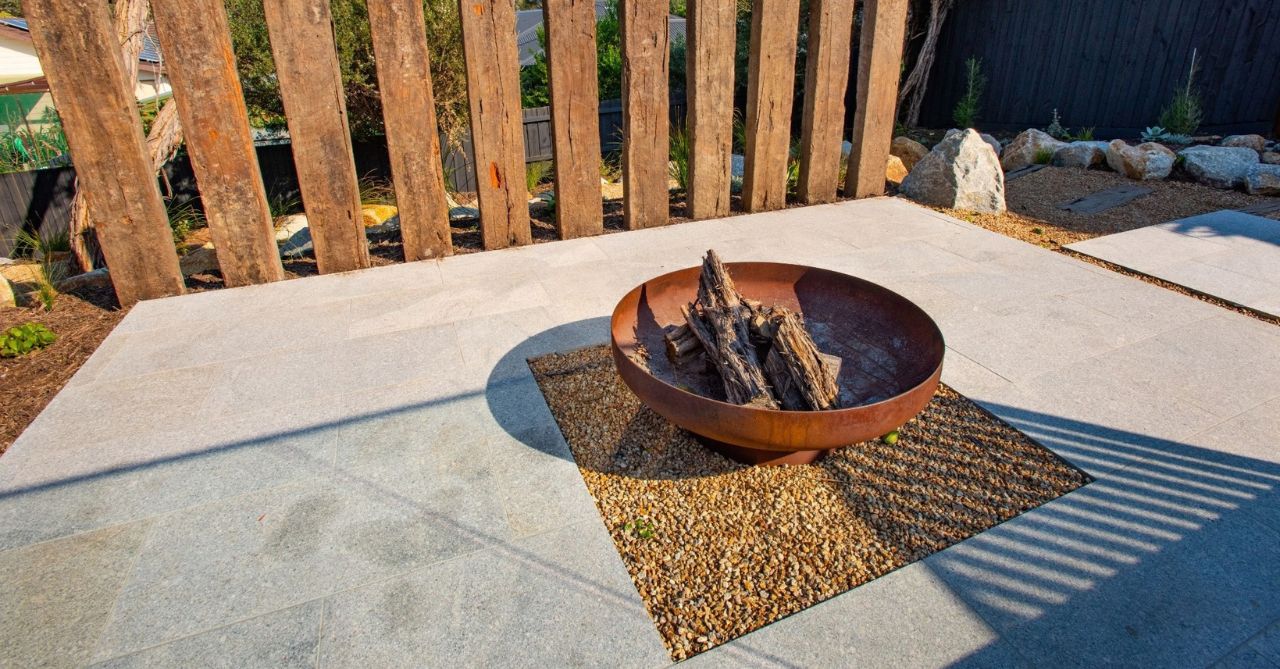
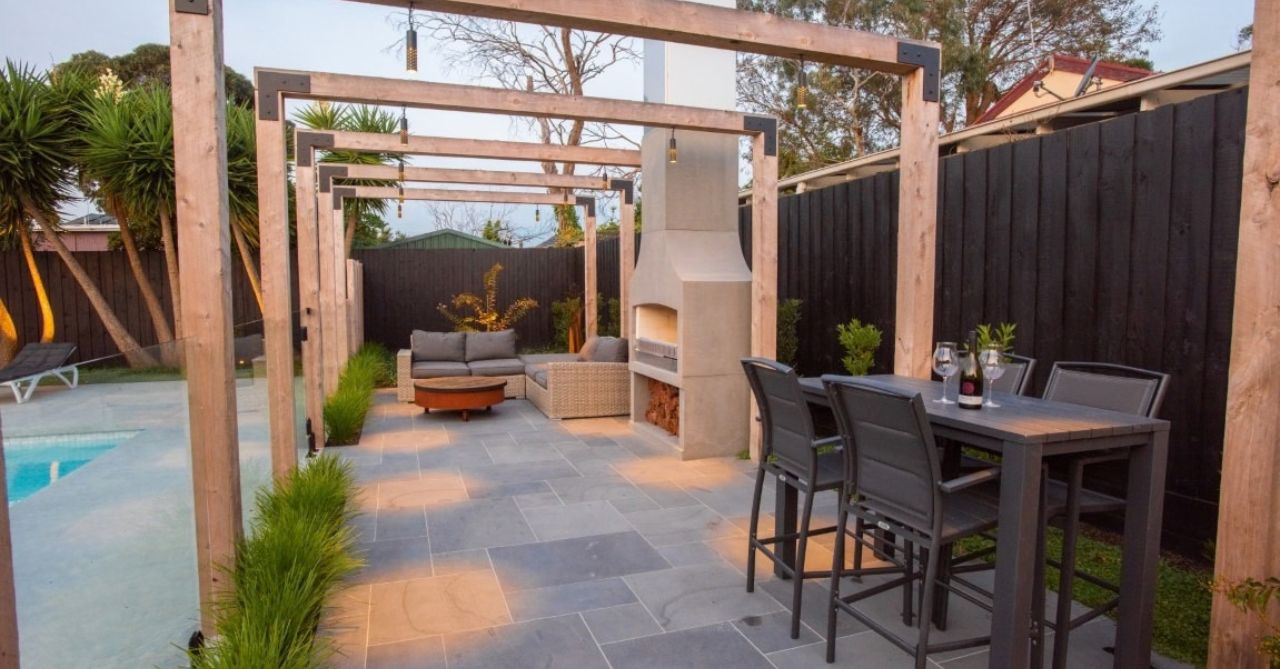
A small backyard doesn't need multiple decorative features to make an impact. In many cases, one well-chosen focal point can give the garden a stronger sense of identity without taking up valuable space. Depending on the style of the backyard, this could be:
- ✓
A compact water feature
- ✓
A feature planter
- ✓
A specimen tree
- ✓
A textured garden wall
- ✓
A sculptural element
- ✓
A small outdoor fireplace
The important thing is to avoid competing focal points. One strong feature can draw attention and give the rest of the garden room to breathe.
7. Create the Illusion of More Space
Good small backyard landscaping isn't always about physically creating more room. Sometimes, the right design choices can make the space feel larger than it actually is.
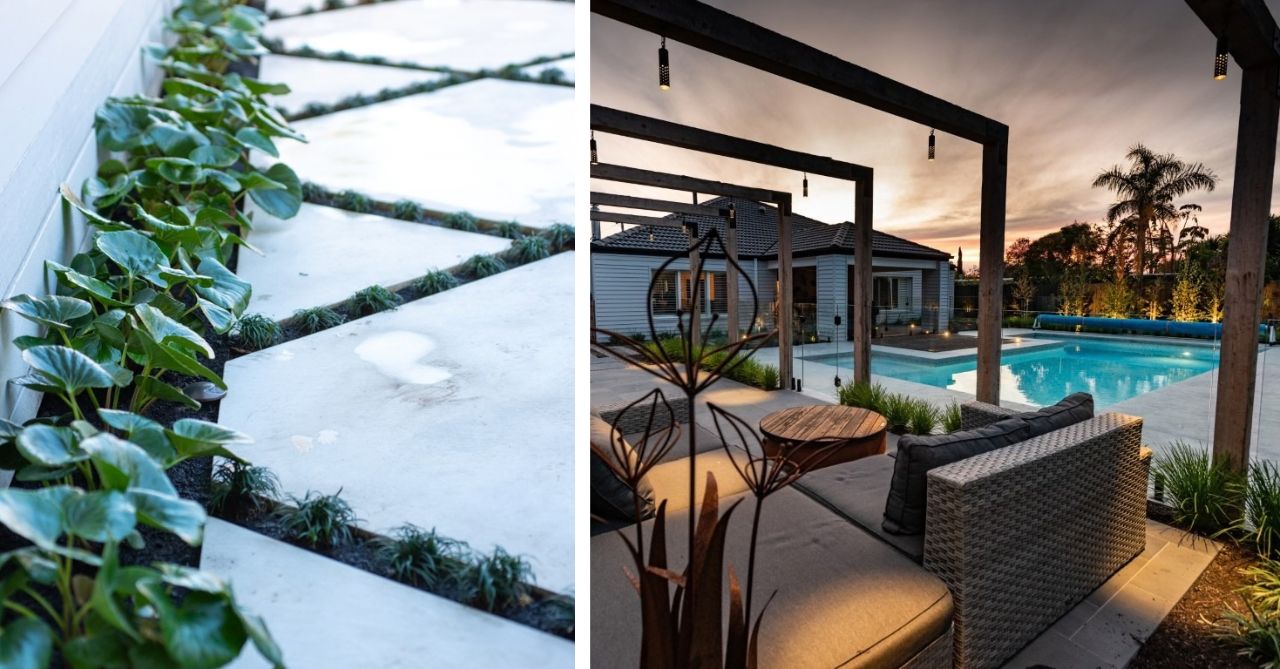
Clear sightlines are particularly useful. Avoid placing too many tall plants or structures directly across the main view of the garden. Consistent paving can also create visual continuity, while a curved or diagonal path can add a sense of depth.
You can also position a feature at the far end of the backyard to draw the eye through the space. The result is a garden that feels more open and considered without requiring additional square metres.
8. Use Lighting to Add Depth
Lighting is an important part of backyard landscape design, particularly when a small garden is used for entertaining in the evening. Instead of illuminating every part of the backyard, focus on key areas and features. Consider these things:
- ✓
String lights overhead for a soft ambient glow
- ✓
Path lighting along steps or walkways
- ✓
Uplights on feature trees or shrubs
- ✓
Subtle lighting around seating areas
- ✓
Feature lighting against textured walls
Well-positioned lighting can create depth after dark, highlight important features and extend the time you can comfortably use the outdoor space.
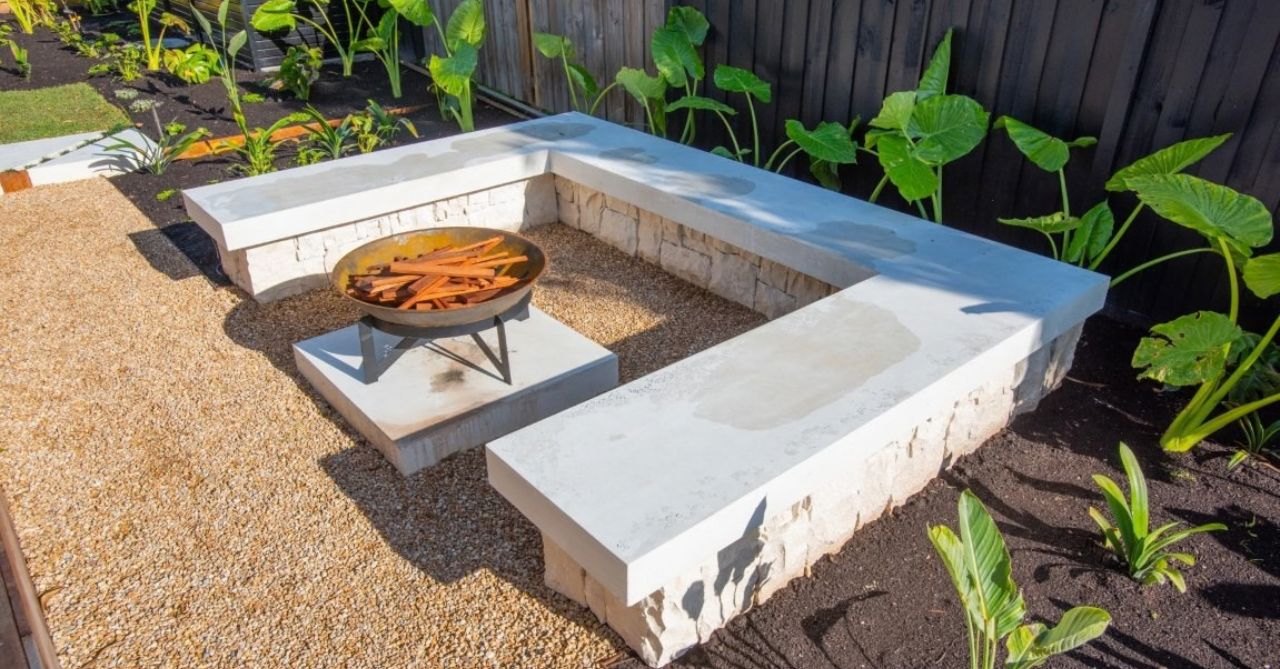
9. Prioritise Low-Maintenance Landscaping
A small backyard doesn't automatically mean less maintenance. In fact, overcrowded planting can quickly become difficult to manage when plants outgrow their space. Native plants suited to the local climate, mulched garden beds and efficient irrigation can help reduce the time and water required to maintain the garden.
Keeping the planting palette relatively simple can also make ongoing care easier. Fewer varieties mean fewer different watering, pruning and maintenance requirements to manage. This is one area where professional landscaping services can make a difference. A considered planting and irrigation plan from the beginning can help avoid years of trial and error.
10. Plan Drainage, Access and Construction Early
Some of the most important parts of a small backyard are the ones that aren't immediately visible.
Drainage, access, retaining structures and material selection all need to be considered before construction begins. In a smaller space, there is less room to work around poor planning or make significant changes once the project is underway.
For example, the position of a garden bed can affect drainage, while the width of a pathway can determine how easily people can move between different areas. Access for construction materials is another consideration that can be overlooked when working with a narrow backyard or inner-city property.
Foliage Landscape can help homeowners work through these practical considerations as part of the landscape design process and landscaping construction process. From the initial plan through to construction and ongoing maintenance, having these elements considered together can help create a backyard that looks good and works well in everyday life.
How Can You Make a Small Backyard Look Bigger?
You can make a small backyard feel larger by keeping the layout uncluttered, maintaining clear sightlines and using vertical planting. Consistent paving, a limited plant palette and carefully positioned focal points can also create a stronger sense of depth without physically increasing the size of the yard.
Bringing Your Small Backyard Landscaping Ideas Together
A small backyard doesn't need to include everything to be successful. In many cases, the most effective designs are the ones that prioritise a few well-considered features and give each part of the space a clear purpose.
From using vertical gardening and making use of boundary areas to selecting plants based on their mature size and creating visual depth, the right choices can make a compact backyard feel more spacious and easier to live with.
The best approach will depend on the dimensions of your property, how you use the space, the existing landscape and the amount of maintenance you're prepared to take on.
If you're ready to turn your ideas into a practical plan, Foliage Landscape can help with landscape design, construction and ongoing maintenance. Get in touch to discuss how your backyard can make the most of every metre.