- 25th August, 2026
- By Andrea Uren
9 Backyard Design Ideas That Balance Beauty and Everyday Living

A backyard can look amazing in a finished photo, but the real test is how well it works when life gets busy. Kids need somewhere to play, friends need somewhere to sit, pets need room to move. You might want an outdoor dining area, a garden that does not demand hours of maintenance every weekend, or simply a quiet corner to enjoy a coffee.
Good backyard design brings all of these things together. It is not about filling every available space or following the latest landscaping trend. It is about creating an outdoor area that suits your home, your block and the way you actually spend time outside.
For homeowners on the Mornington Peninsula, there is another consideration. Coastal conditions, changing weather, soil conditions and the character of local properties can all influence which materials, plants and layouts will work best. If you are planning a new backyard or updating an existing one, these nine ideas can help you create a space that looks good and works beautifully in everyday life.
Start Your Backyard Design With How You Live
Before choosing plants, paving or outdoor furniture, think about how your backyard is actually used. Do you regularly entertain? Do the children need an open area to play? Would you use an outdoor kitchen? Perhaps you want a garden where you can grow herbs and vegetables, or a quiet space away from the house.
These answers should shape the layout before any major landscaping work begins. A useful starting point is to divide the backyard into practical zones. You might have an entertaining area close to the kitchen, a lawn for children and pets, garden beds along the boundaries and a quieter area at the back of the property.
Consider:
Where people naturally enter and move through the backyard · How much space is needed for dining and entertaining · Whether children or pets need an open area · Which parts of the garden you are prepared to maintain · How the backyard connects with your indoor living areas · Where the sun and shade fall throughout the day
Starting with these practical questions can prevent an expensive mistake later. Beautiful backyard landscaping that does not suit your daily routine will quickly become an underused space.
Create Defined Zones With Backyard Landscaping
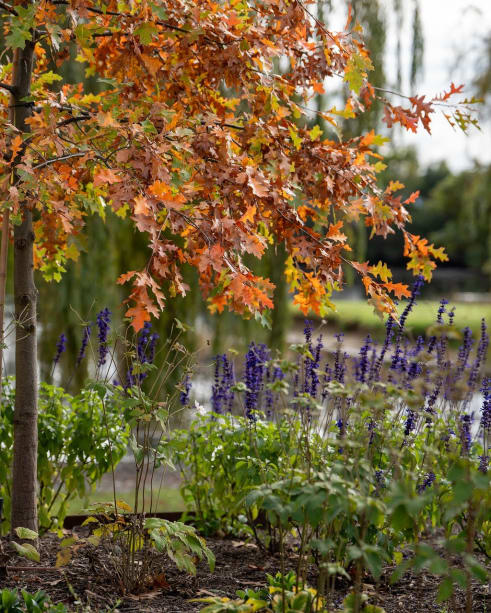
One of the most effective backyard landscaping techniques is to divide a larger outdoor area into functional zones. Instead of having one large lawn surrounded by garden beds, consider creating separate areas for dining, entertaining, relaxing and planting.
These zones do not necessarily need walls or fences between them. Changes in paving, planting, levels or furniture can naturally define one area from another.
For example, a paved entertaining area can sit directly outside the kitchen, while a lawn creates an open transition towards the garden. A planted border can then provide privacy without completely closing off the space. This approach makes a backyard easier to navigate and can also make a large garden feel more intimate.
Connect the Backyard Design With Your Home
The best backyard designs do not feel like they have been added to the property as an afterthought. Look at your home's architecture when choosing materials, colours and structures for the garden. The backyard should feel like a continuation of the property's existing style.
If your home uses natural timber, for example, similar tones can be introduced through decking, screening or furniture. Stone, concrete and paving can also be selected to complement existing exterior finishes.
The goal is not to make everything identical. Instead, repeat a few colours, textures or materials so the house and landscape feel visually connected. This is particularly useful when designing outdoor entertaining areas immediately outside the home.
Make Entertaining Areas Part of the Design
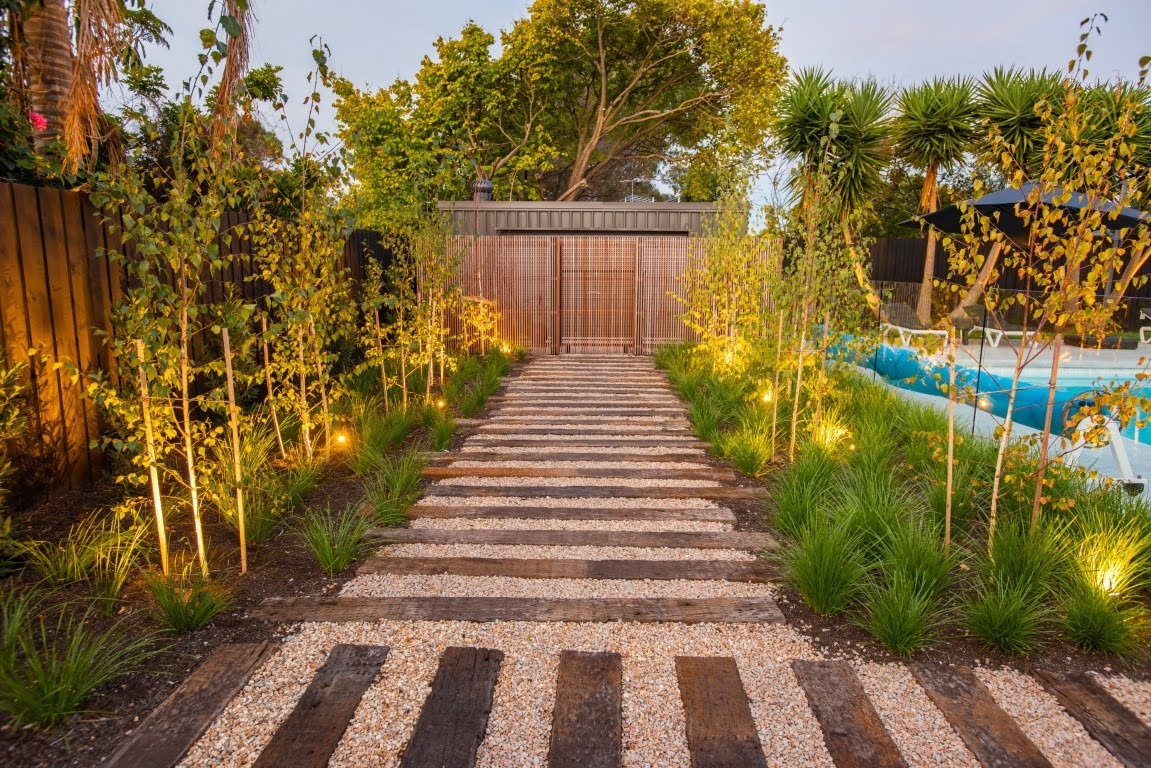
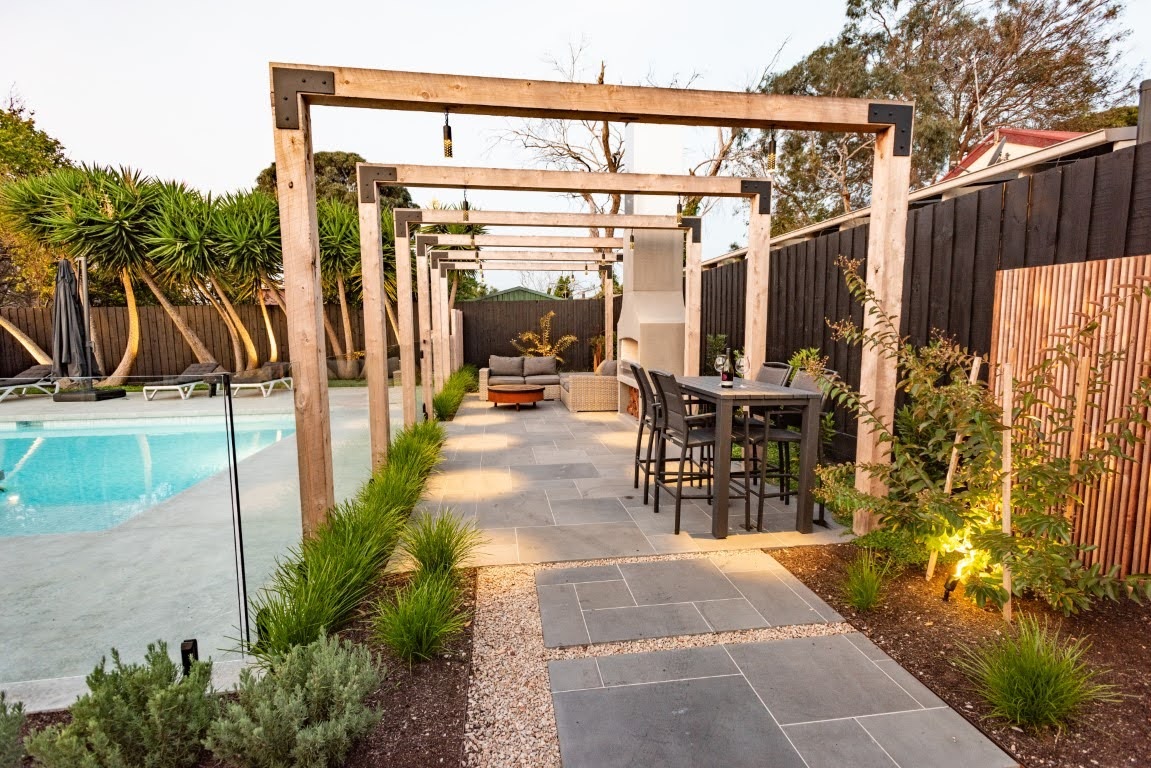
Outdoor entertaining should be considered at the beginning of the design rather than added once the rest of the garden has been completed. Think about where people will sit, how food and drinks will be moved from the kitchen to the outdoor area, and whether guests will have enough space to move around comfortably. Depending on the property, an entertaining area could include:
Positioning is just as important as the features themselves. An entertaining area that receives harsh afternoon sun or sits too far from the house may not be used as often as expected. Professional backyard design considers how the space will actually function when family and friends are using it.
Use Planting to Shape the Backyard
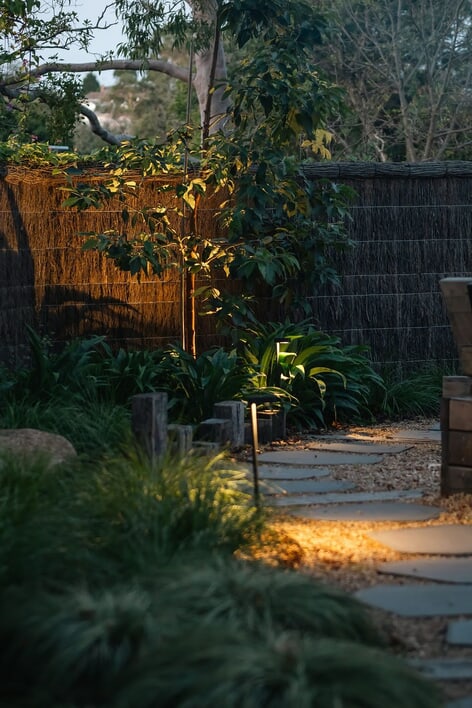
Plants are not simply decorative additions to a backyard. They can help define spaces at home, guide movement, create privacy and soften hard landscaping. Layering plants at different heights is particularly effective. Groundcovers and smaller plants can sit beneath shrubs, while feature trees provide height and structure.
Planting can also be used to direct attention towards particular parts of the garden. A pathway lined with plants can lead towards an entertaining area, while screening vegetation can make a seating space feel more private.
When planning backyard landscaping, think about how the planting will look when mature rather than judging everything by its appearance on planting day.
Introduce Levels and Texture Where the Site Allows
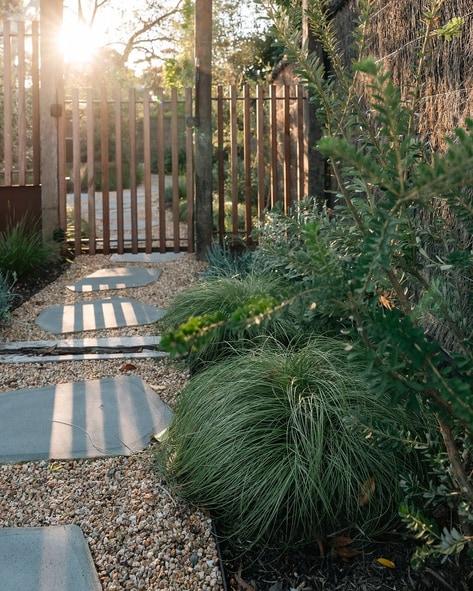
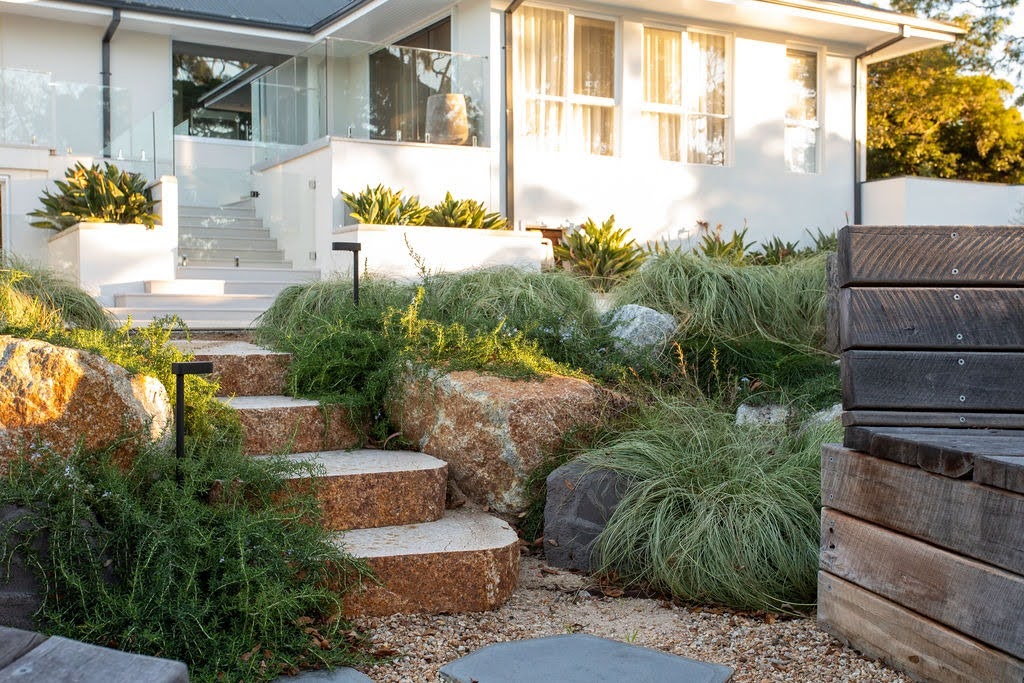
Not every backyard needs to be completely flat. Changes in level can create visual interest and help separate different areas of the garden. Retaining walls, steps, raised garden beds and different paving levels can all contribute to the structure of a landscape. This can be particularly useful on properties where the natural terrain already has some variation.
However, changes in level should always have a practical purpose. They need to be designed around safe movement, drainage, and long-term stability rather than simply included for appearance.
Combining different textures can have a similar effect. Timber, stone, planting and paving can create contrast without requiring an excessive number of decorative features.
Build Privacy Into Your Backyard Landscaping
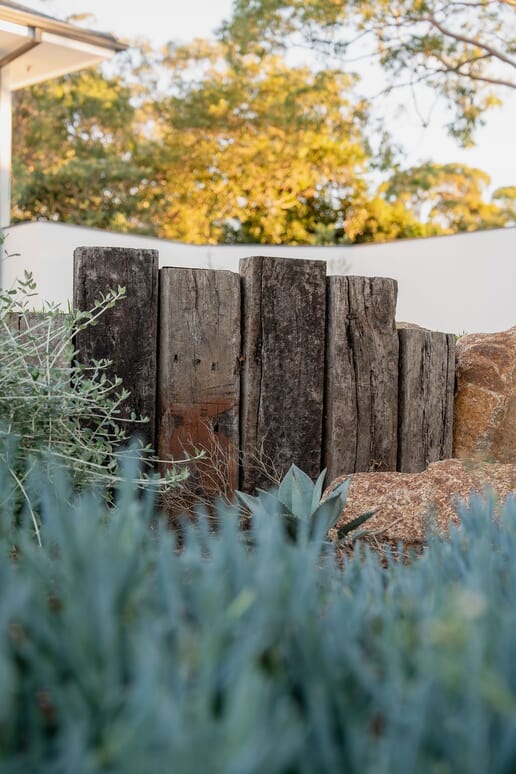
Privacy is one of the most common reasons homeowners rethink their outdoor space. Neighbours, overlooking windows and nearby properties can make an otherwise attractive backyard feel exposed. Fortunately, privacy can be incorporated into the landscape rather than relying entirely on fencing.
Layered planting, screening trees, hedges and carefully positioned structures can all help create separation. The important thing is to avoid treating privacy as a wall that needs to be built around the entire garden. Selective screening can provide privacy where it is needed while keeping other areas open. This can make a backyard feel more private without making it feel enclosed.
Plan Lighting as Part of the Backyard Design
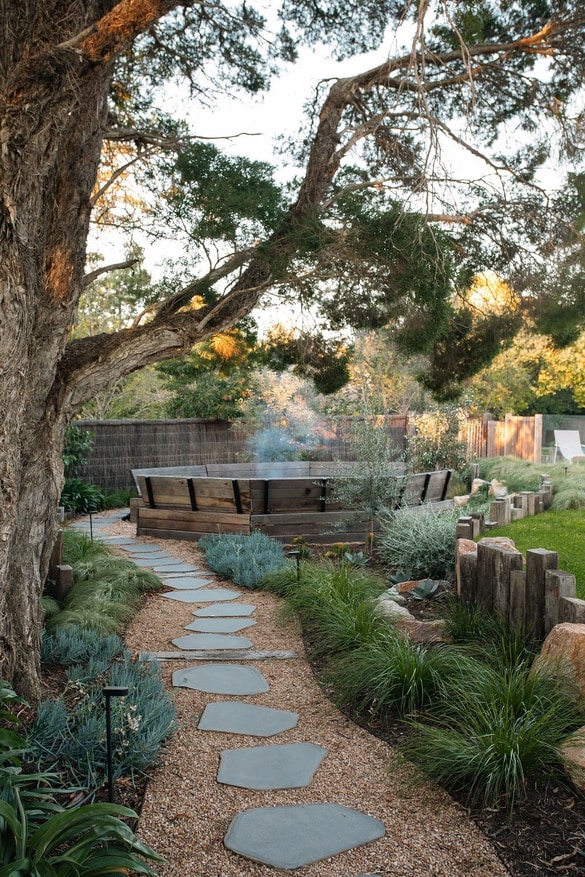
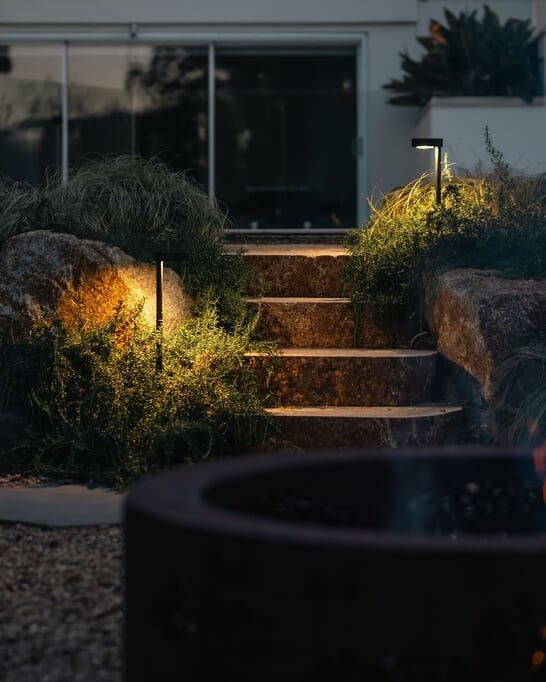
Outdoor lighting should be considered during the design stage, particularly when the backyard is being substantially renovated. Lighting can highlight architectural features, trees and planting while also making paths, steps and entertaining areas safer to use after dark.
Rather than illuminating everything equally, consider where light will actually be useful. For example, subtle lighting along a pathway can guide movement, while warmer lighting around an outdoor dining area can make the space more inviting.
Feature lighting can then be used selectively to highlight a tree, retaining wall or architectural feature. When planned properly, lighting allows the backyard to change character from daytime to evening without adding unnecessary visual clutter.
Leave Space for the Backyard to Breathe
One of the biggest mistakes in backyard design is trying to fill every available area. A successful landscape needs open space. Lawn, courtyards and uncluttered areas give people room to move and provide flexibility for different activities.
This is particularly important when considering landscape ideas for small backyards. A compact garden does not necessarily need more features. It needs better use of the space available.
Built-in seating, vertical planting, multifunctional areas and carefully positioned garden beds can help a small backyard feel larger without sacrificing functionality. The same principle applies to larger properties. Open areas can provide visual relief between planting and structures, making the entire landscape feel more balanced.
Turning Backyard Design Into a Finished Landscape
A well-planned backyard design is only the starting point. The quality of the execution can determine whether the finished space actually looks and performs as intended. Even a carefully considered design can run into problems during construction if drainage, levels, materials and planting aren't properly accounted for.
Some common issues homeowners can encounter include:
Poor drainage that leaves water sitting around garden beds or paved areas · Incorrect levels that create trip hazards or affect how water flows through the property · Unsuitable plant selection where plants outgrow their space or don't suit the site's conditions · Poorly planned retaining walls or structures that create problems later in the project · Materials that aren't suited to the property, despite looking good when first selected · Inconsistent workmanship when different contractors are responsible for separate parts of the project · Unplanned changes during construction that increase costs or affect the original design · A finished landscape that doesn't match the original vision, leaving homeowners disappointed with the result
These problems can be frustrating and expensive to fix once construction is complete. This is why effective backyard landscaping should connect the design and construction stages rather than treating them as completely separate jobs.
Working with an experienced landscaping team from the early stages can help identify practical issues before they become costly problems. Foliage Landscaping takes this approach by considering both the landscaping design process and the practical execution of a backyard project, helping homeowners create outdoor spaces tailored to their property and how they intend to use it.
This is particularly important for larger backyard projects involving changes to levels, retaining walls, paving, garden beds, drainage or multiple outdoor living areas. When these elements are considered together, the result is more likely to be a backyard that not only looks good when completed but continues to work well for everyday living.
The key is to treat backyard design and landscaping as one connected process. A strong design provides direction, while careful execution brings that design to life in a way that suits the site, the household, and the property's conditions.
Ready to Start Planning Your Backyard?
If you're thinking about changing your backyard, the best place to start is with how you want to use the space. Whether you need a better entertaining area, more privacy, suitable planting or a complete backyard transformation, getting the design and practical details right from the beginning can save time, money and frustration later.
Foliage Landscaping can help you explore the possibilities for your property and develop a backyard that suits your home, your lifestyle, and how you want to use your outdoor space.
If you're ready to turn your backyard ideas into a landscape that works in everyday life, get in touch with Foliage Landscaping to discuss your project.